Shock Surplus teardown: jack stands, cold coffee, wrong Bronco
The Bronco is on jack stands and the year is still blank. Search puts a 2021 kit next to a 1980 kit, free shipping has three answers, and Add to Cart does not wait.
Read
Building scalable, conversion-driven digital products that bridge strategy, design, and engineering. From Next.js and React to Stripe and Python — I craft seamless user experiences that grow businesses and delight customers.
Building products from zero to one — validation frameworks, MVP strategy, product-market fit, and lessons from the entrepreneurial trenches.
The starting point for this collection is the work around a product: choosing a problem, understanding customers, deciding what to build, and learning from what happens after shipping.
Begin with Where Do SaaS Ideas Come From?. Follow with Quit Looking for Startup Ideas and Lessons from Building Things Nobody Wants. The remaining articles cover specific decisions and experiences along that path.
The Bronco is on jack stands and the year is still blank. Search puts a 2021 kit next to a 1980 kit, free shipping has three answers, and Add to Cart does not wait.
Tell Scent Finder you like things that smell sweet like candy. It asks for an email, then names Rosie Perfume. Dulce is the candy bottle, and it never shows.
486 out of 492. Type gift on Bean Goods and you get almost the whole store. The size chart on a first-row hoodie still lists a size you cannot buy.
How to buy gold hoops on Heaven Mayhem, in five easy steps. Type gold hoops. Get 129 results. Meet a knot. Scroll to 12 for the other hoop.
Here's a bet. START NOW on Bushbalm still opens the leftover quiz. The one they kept is already in the nav.
A $3,000 necklace and a typo are about the same size. Storybook asks you to email info@carteve.com. The rest of the shop already uses info@cartereve.com.
Find Your Fit asked five hair questions, then asked for an email before it showed a size. After I skipped, it named Soul Clip in Black XL. That size was sold out.
I searched foundation brush on bkbeauty.com and got 75 results. Filters are Availability and Price. The 101 Contoured Foundation, with 3,955 reviews, still has a one-sentence description.
The homepage says Beardbrand is a fragrance house disguised as a beard care company. Find My Fragrance opens a story page. The Typeform quiz they already built is not on the product page.
On the No. 2 in Magic Black EE, fourteen of fifteen sizes are crossed out. Size 7 still has one pair. Add to Cart is ready.
On the Women's Plush Sunday Slipper, an AI review summary says it runs small. That sentence lives below Add to Bag, under a closed Size and Fit accordion.
The Point II page I captured is machine washable, comes in Medium and Wide, and has thousands of reviews. It is also final sale, covered by a $20-off popup, and will not show nearby store stock until you pick a size.
Allbirds put AI help on every page. The bigger problem is what shoppers hit before and after it: sold-out sizes, a 30-day shipping warning, and an email-only help page.
Mejuri turned its stores into fulfillment hubs on Shopify. The website still makes you pick a size before it tells you whether a store has the piece.
Warby Parker sunset Home Try-On and pointed shoppers at Virtual Try-On, a quiz, and an AI Advisor. On the website, the Advisor is the piece that is missing.
Give a practical decision framework for software ownership and integration risk.
Define agent authority, review gates, and escalation behavior.
Make operational ownership and maintainability part of a product delivery.
Make event ownership, identity, schemas, and validation visible across UI and data systems.
Explain review queues, acceptance criteria, and recovery rather than model-demo hype.
Explain reconciliation, cutover, late writes, and rollback boundaries.
Show how to prioritize observed delays and verify a change without chasing a vanity score.
Demonstrate how to test behavior and assumptions rather than generated implementation details.
How stable request identities, atomic persistence, and separate delivery states let a user retry without silently creating duplicate work.
A practical way to turn an ambiguous software request into a reviewable scope: outcome, constraints, exclusions, acceptance checks, and ownership.
We are migrating TonyRobbins.com from Shopify Storefront API to native Stripe checkout. Not because Shopify is bad. Because we outgrew what it can do for us. Here is the 8-phase playbook we are using to do it without breaking anything.
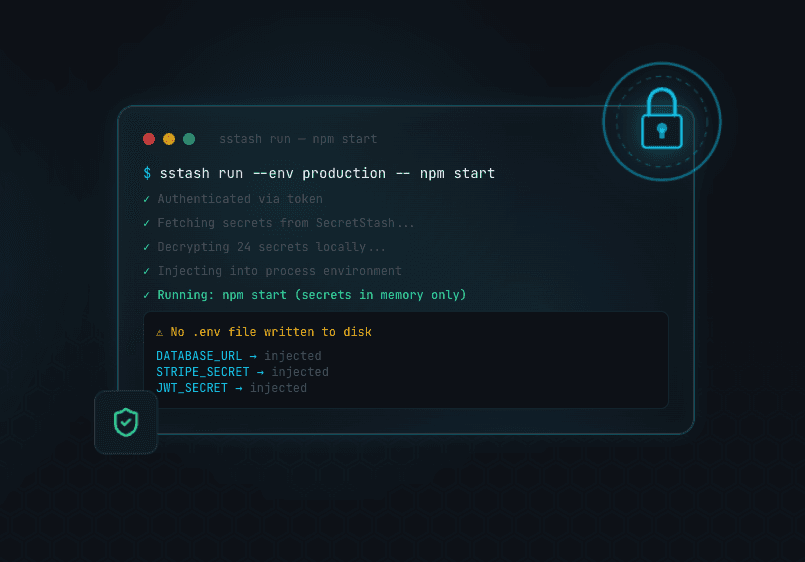
I have been spending a lot of time with Claude Code recently. There have been so many great updates pushed by the team at Anthropic lately that it is hard to keep up with.

Tired of proposals disappearing into email purgatory? I built a Next.js + Sanity system that transforms static PDFs into interactive web experiences with one-click acceptance, instant notifications, and optional Stripe payments. Here's how it works and why it converts better.

Why we left Shopify behind and started building a custom ecommerce experience with Sanity CMS. This is Part 1 of a technical series covering the full build.

How we built a complete proposal management system with digital signatures, payment integration, email notifications, and a drag-and-drop Kanban board—all powered by Sanity CMS.

Not every experiment lands. Here's what I learned from a swing and a miss, and why failure is a feature of the process, not a bug.

The first 100 subscribers are the hardest to get. Here are practical, no-BS strategies to start building your email list from zero.
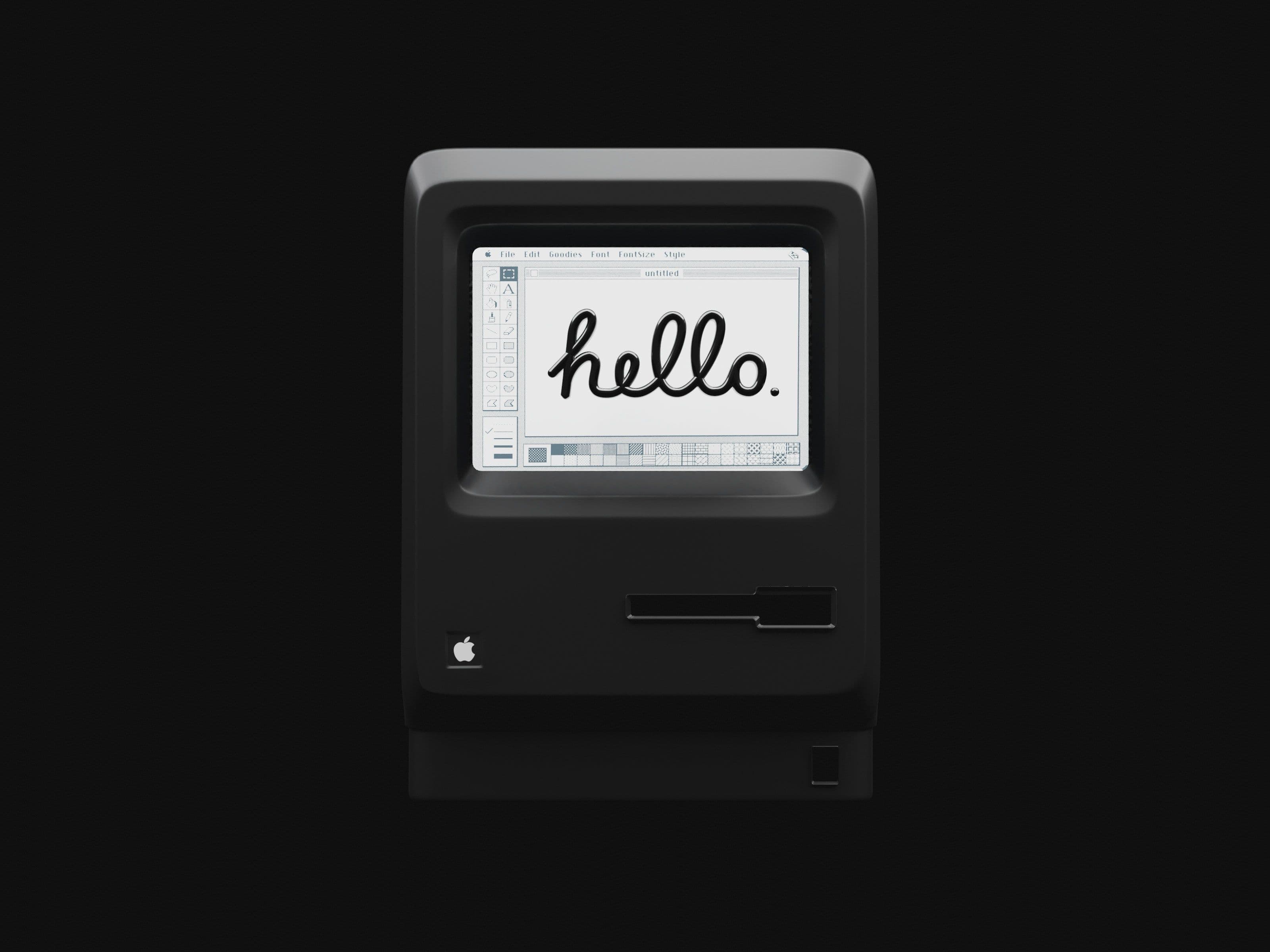
Steve Jobs didn't just build products. He solved problems differently. Here's what his approach teaches us about simplicity and focus.
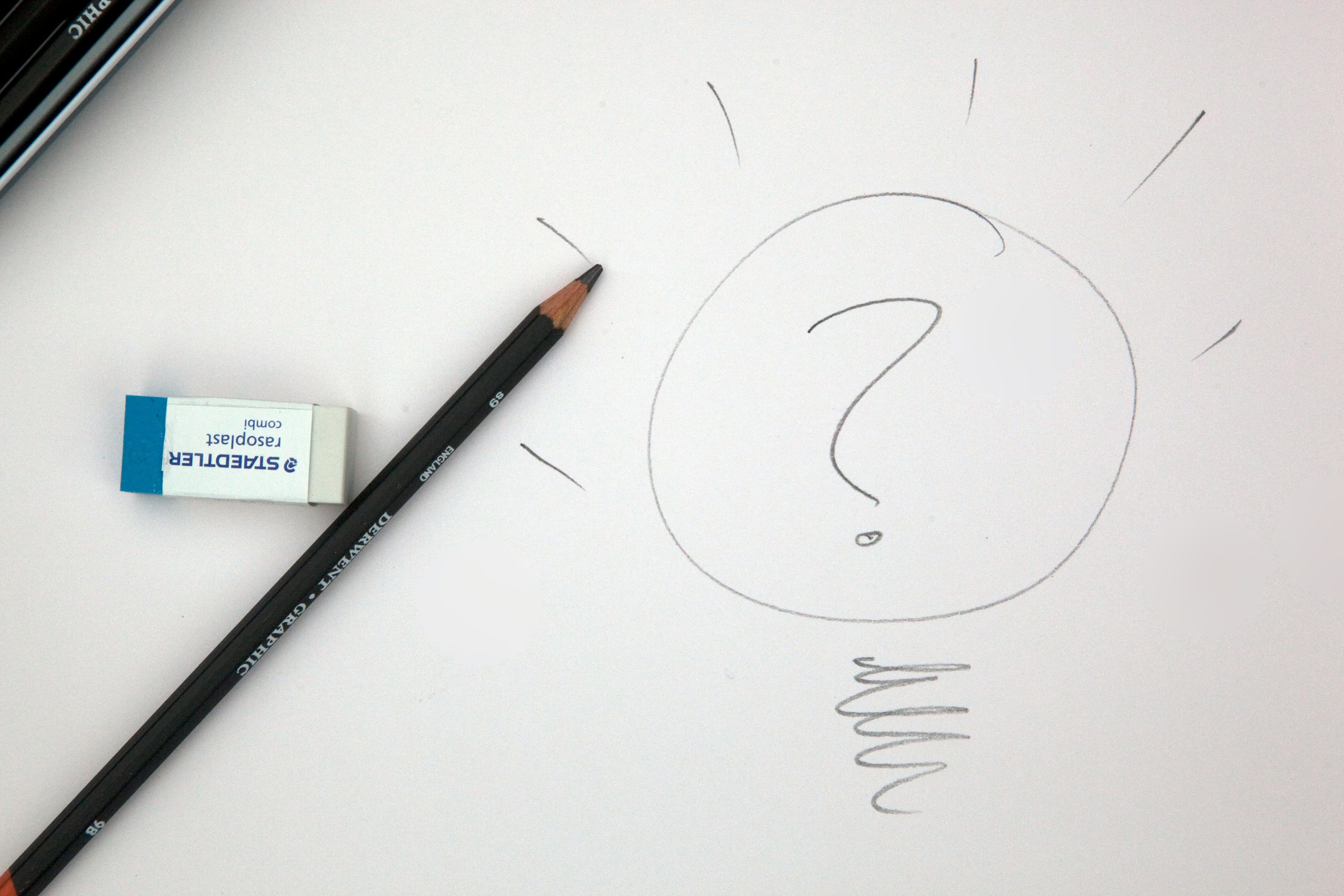
Stop looking for startup ideas. The best SaaS products come from solving problems you already have. Here's where to find them.
Quit hunting for the perfect startup idea. The best businesses start with a problem you can't stop thinking about, not a brainstorming session.
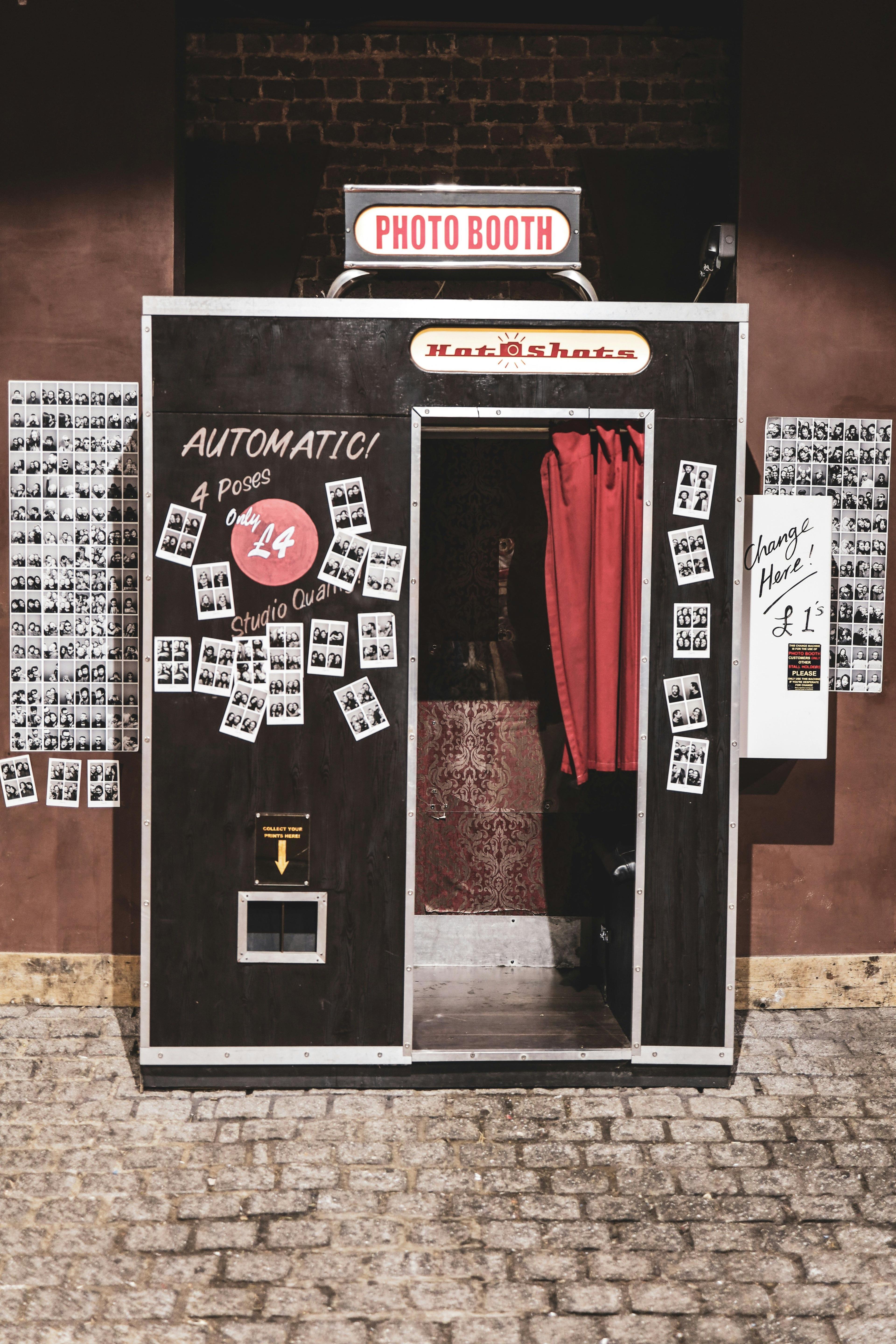
Customer experience isn't about grand gestures. It's about consistently delivering small improvements that compound over time.

Features don't sell products. Stories do. The narratives we build around our work shape how people experience and value what we create.

Too many builders skip validation. A proof-first mindset saves you from building something nobody wants.

Stop broadcasting. Start having real conversations with your customers. The difference between talking to and talking at defines your brand.

Great products don't just solve problems -- they build habits. Here's how to design features that naturally keep users engaged.

The best businesses know their customers better than a hotel concierge. Here's how to build that level of understanding at scale.

Want to guarantee your product fails? Follow this anti-playbook. Most products lose for the same preventable reasons.

The graveyard of failed products is full of ideas that were never validated. Test your assumptions before you build.

You don't need a massive war chest to start. Rent your runway, bootstrap smart, and extend your timeline to profitability.

Don't scale what isn't working. Start small, stay lean, and only grow the things that have proven themselves.

I've built things nobody wanted. The lessons were painful but invaluable. Here's what I learned so you don't repeat my mistakes.